You opened the mail, looked at your electricity bill, and your jaw dropped.
“Did I leave the fridge open all month? Is the neighbor stealing my power?”
Probably not. In 90% of US homes, the culprit is the largest appliance in the house: Your HVAC System. Heating and cooling account for nearly half of your home’s total energy usage.
When your bill suddenly spikes, your AC or Furnace is usually trying to tell you something is wrong. It might be a simple dirty filter, or it might be a dying compressor screaming for help.
At LowersHVAC, we help homeowners stop the bleeding. Here are the top 5 reasons your HVAC system is costing you a fortune.
1. The “Silent Killer”: Leaky Ductwork
You pay good money to cool the air, but is it actually reaching your living room?
According to Energy Star, the average home loses 20% to 30% of its air through leaks, holes, and poorly connected ducts in the attic or crawlspace. You are literally paying to cool the outdoors.
| Problem Area | Estimated Energy Loss | DIY Fixable? |
| Disconnected Ducts | High (30%+) | Yes (Reattach & Tape) |
| Pinholes / Cracks | Medium (15%) | Yes (Mastic Sealant) |
| Uninsulated Ducts | Medium (10%) | No (Requires Pro) |
💡 Pro Tip: If one room is always hot while the others are cold, you likely have a duct issue.
2. Your AC is “Short Cycling”
Does your air conditioner turn on, run for 5 minutes, turn off, and then turn back on 5 minutes later? This is called Short Cycling.
It takes a massive surge of electricity to start the AC motor. If it starts and stops constantly, your meter spins like a top.
Common Causes:
-
Oversized unit (Too big for the house).
-
Frozen evaporator coils.
-
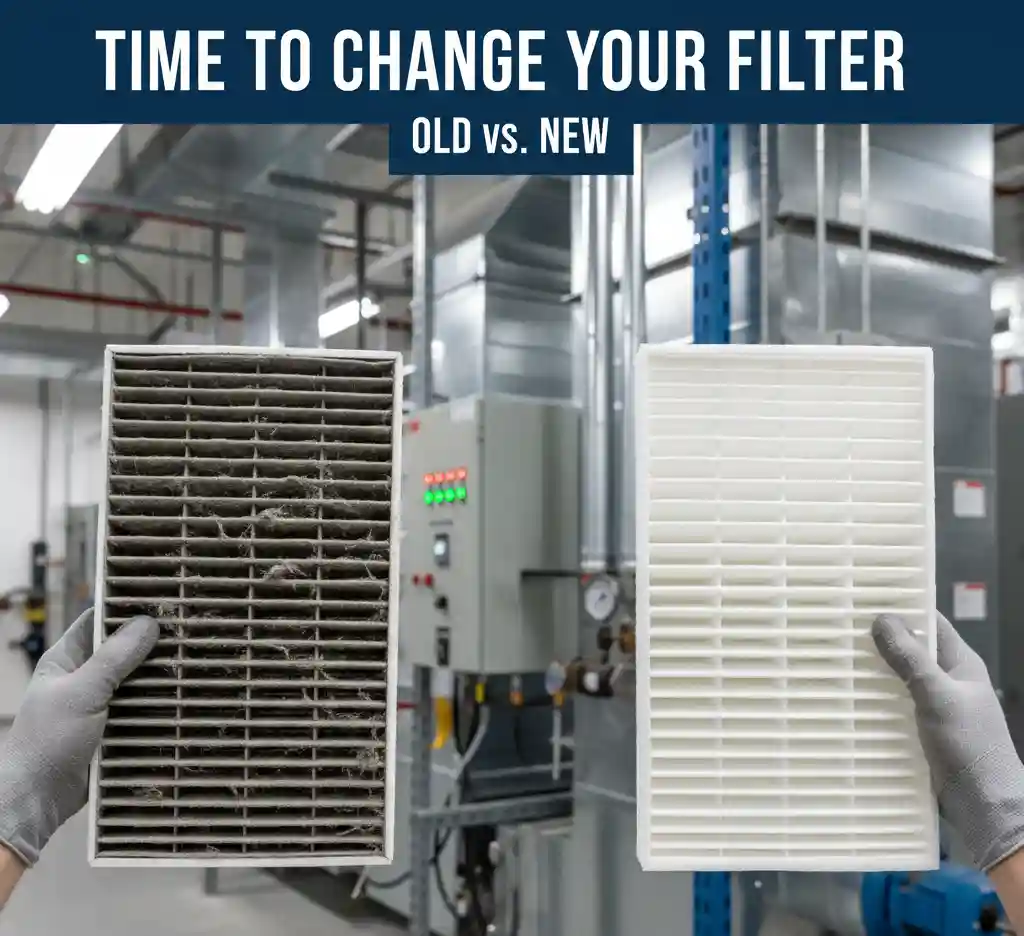
Clogged air filter (restricting airflow).
Immediate Action: Check your filter. If it’s clean and the unit is still short cycling, turn it off and call a technician. Continuing to run it will burn out the compressor.
3. The Age Factor: Old SEER vs. New SEER2
Air conditioners are rated by SEER (Seasonal Energy Efficiency Ratio). Think of it like “MPG” for a car.
-
Old Unit (15 years ago): Likely 8 – 10 SEER.
-
Modern Unit (2025 Standard): Minimum 14.3 SEER2, up to 25 SEER.
Here is how much an upgrade could save you annually:
| Your Current Unit | Upgrade to 16 SEER | Upgrade to 20 SEER | Annual Savings (Est.) |
| 8 SEER (Old) | Save 50% | Save 60% | $400 – $700 |
| 10 SEER (Avg) | Save 38% | Save 50% | $300 – $500 |
| 13 SEER (Standard) | Save 19% | Save 35% | $100 – $250 |
If your unit is over 15 years old, it is essentially burning money. The monthly savings from a new unit often cover the monthly payment of a financed installation.
4. Failing Parts (The System is Struggling)
When parts like the Capacitor or Blower Motor start to fail, they don’t always die instantly. Instead, they work harder.
-
Failing Capacitor: The compressor struggles to start, drawing 2x or 3x the normal amperage.
-
Dirty Coils: The system has to run 50% longer to cool the house to the same temperature.
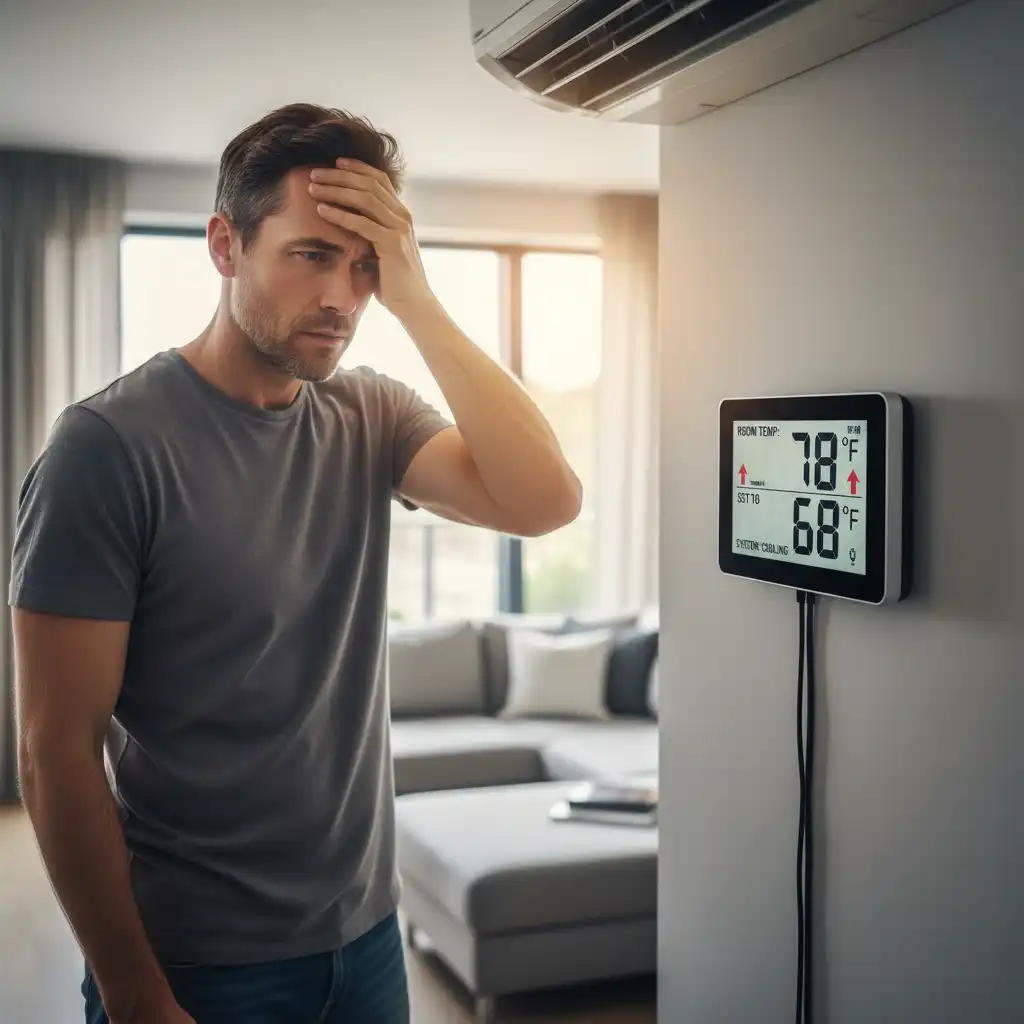
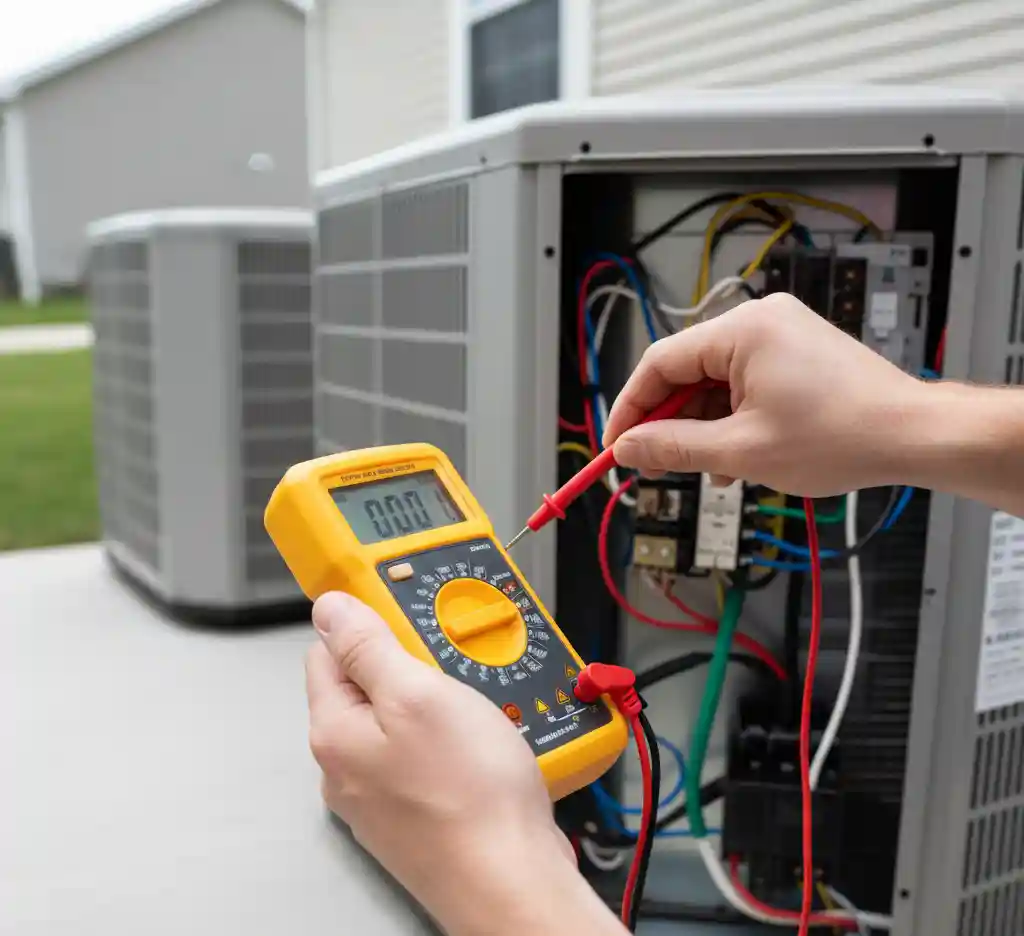
If your bill went up but the weather didn’t change, this is usually the reason. You need a “Tune-Up” to check the electrical draw (Amps) of your components.
5. You Are Still Using a “Dumb” Thermostat
Are you cooling an empty house while you are at work?
A manual thermostat relies on you remembering to change it. A Smart Thermostat (like Nest or Ecobee) learns your schedule and can detect when you leave the house, automatically saving you money.
-
Average Savings: 10-15% on heating and cooling bills.
-
Cost: $100 – $250 (And many utility companies offer rebates!).