It’s January, and your heating bills are creeping up. Or maybe spring is around the corner, and you are dreading that first AC startup.
You see ads for “$49 Tune-Ups” and wonder: Is this a scam? Or is it necessary maintenance?
In 2026, the average cost for a professional HVAC tune-up ranges from $79 to $150. While this might feel like an annoying expense, skipping it can cost you thousands in premature repairs and voided warranties.
At LowersHVAC, we believe in smart homeownership. This guide breaks down exactly what you pay for, what a technician actually does, and how to spot a “fake” tune-up.
1. Average Tune-Up Costs in 2026
Prices have risen slightly due to inflation and skilled labor shortages. Here is what you can expect to pay across the USA.
| Service Type | Average Cost | What’s Included? |
| Basic Inspection | $79 – $99 | Visual check, filter change, safety test. |
| Standard Tune-Up | $120 – $160 | Cleaning coils, checking refrigerant, testing electrical. |
| Premium / Deep Clean | $200 – $400 | Chemical coil cleaning, blower motor pull-and-clean. |
| Emergency Tune-Up | $250+ | After-hours or weekend service. |
20/month that cover two visits a year (Spring AC + Fall Furnace). This is often cheaper than paying for single visits.
2. The Professional Checklist: What Do They Actually Do?
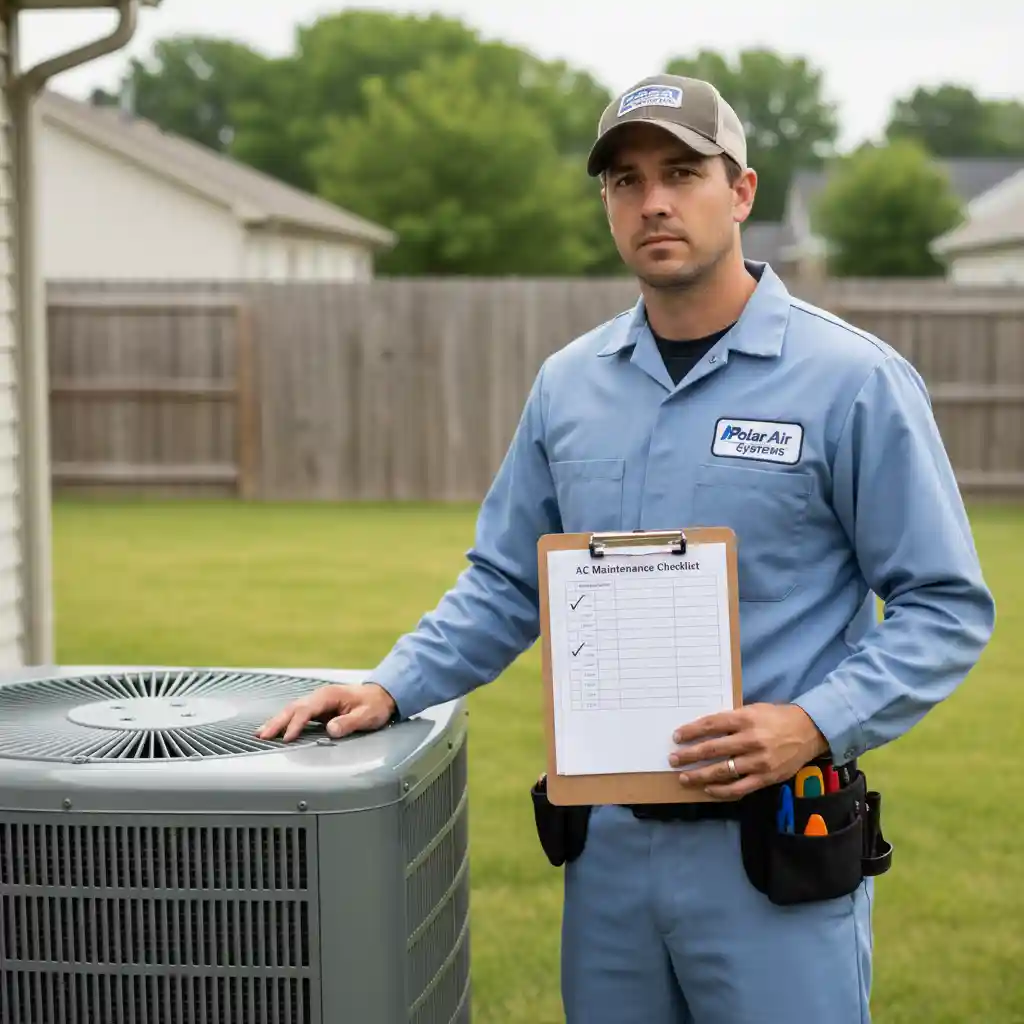
A real tune-up is not just a guy shining a flashlight into your furnace. A certified technician follows a strict protocol to ensure efficiency and safety.
The “Must-Have” Checklist
If your technician skips these steps, you aren’t getting what you paid for.
For Air Conditioners / Heat Pumps:
-
✅ Clean Condenser Coils: Removing dirt to prevent overheating.
-
✅ Check Refrigerant Charge: Measuring pressure to detect micro-leaks.
-
✅ Inspect Electrical: Tightening capacitors and wires (loose wires cause fires).
-
✅ Clear Drain Line: Flushing the condensate line to prevent water damage ceilings.
For Furnaces (Gas/Electric):
-
✅ Inspect Heat Exchanger: Checking for cracks that leak Carbon Monoxide.
-
✅ Test Igniter/Pilot: Ensuring the system lights safely.
-
✅ Check Flame Sensor: Cleaning soot off the sensor to prevent short-cycling.
-
✅ Measure Airflow: Ensuring the blower motor isn’t overworking.
3. The “Warranty Trap” (Read This!)
This is the most important reason to pay for professional maintenance.
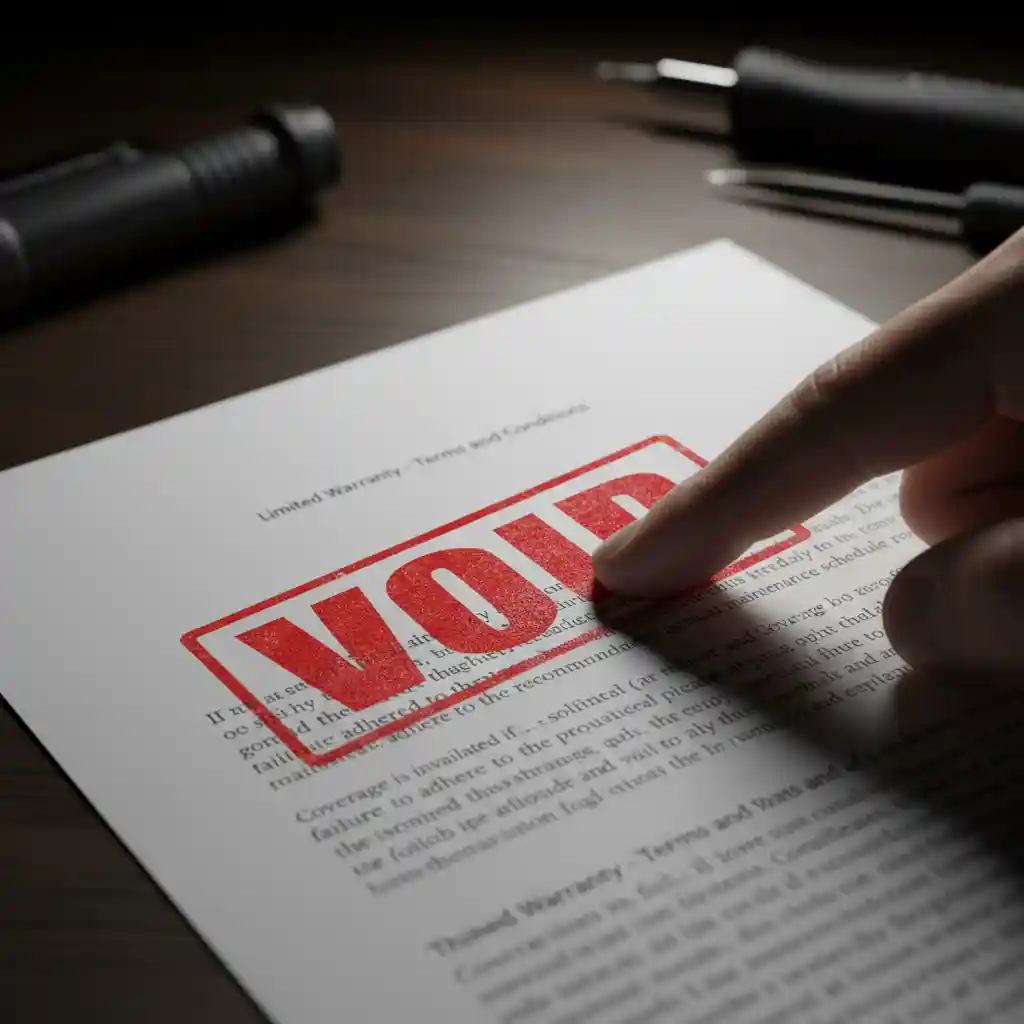
Most HVAC manufacturer warranties (Trane, Carrier, Goodman) contain a fine-print clause:
“Failure to provide proof of annual maintenance by a licensed professional may void the warranty on parts.”
The Scenario:
Your 4-year-old compressor dies (a $2,000 part). It should be free under warranty. But if you cannot prove you had it serviced last year, the manufacturer can deny your claim.
Don’t risk it. A $99 tune-up protects your 10-year warranty.
4. DIY vs. Professional: Where to Draw the Line
You can save money by doing the basics yourself, but know your limits.
| Task | Who Should Do It? | Why? |
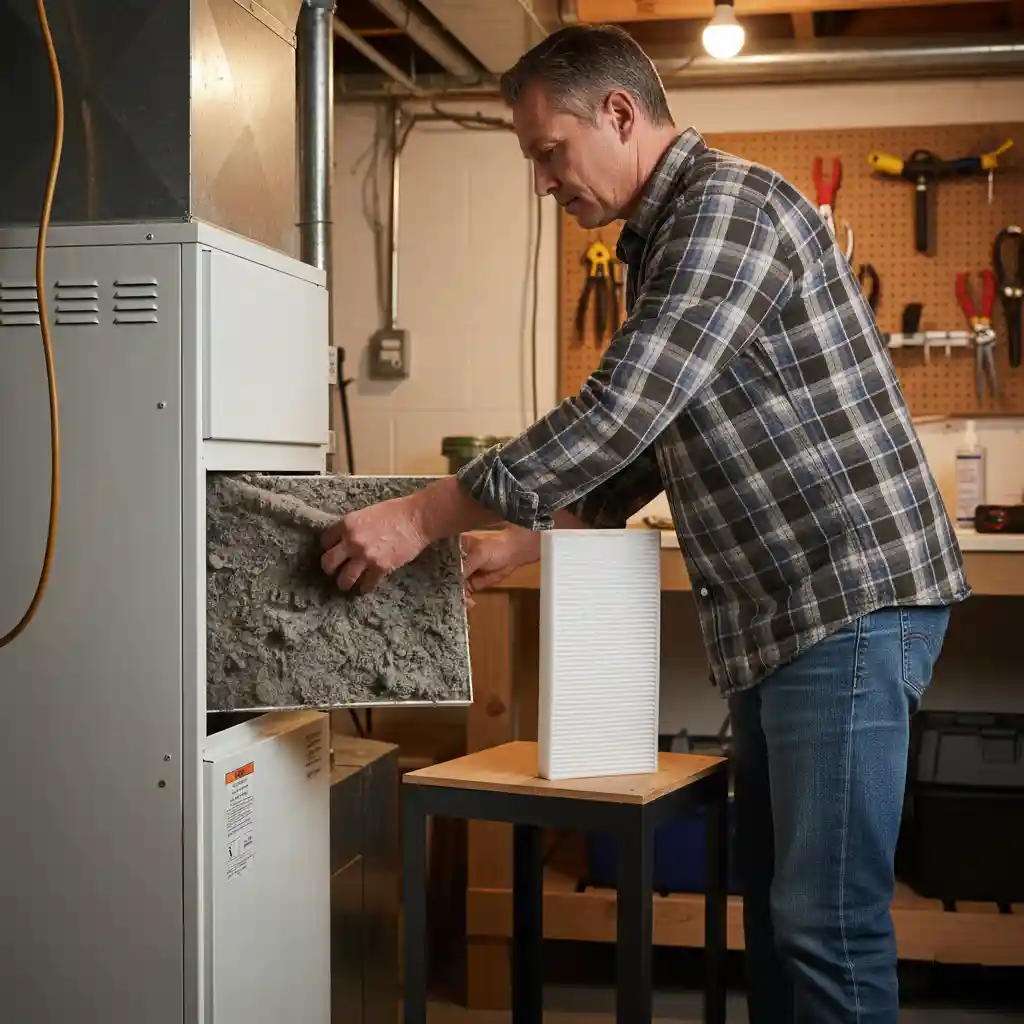
| Change Air Filter | YOU (DIY) | Easy, cheap, needs doing every 90 days. |
| Clear Outdoor Leaves | YOU (DIY) | Just needs a rake and a hose. |
| Clean Internal Coils | PRO | Requires disassembly and harsh chemicals. |
| Check Freon Levels | PRO | Illegal to handle refrigerant without EPA license. |
| Fix Electrical Parts | PRO | High voltage shock hazard. |
5. Signs You Need a Tune-Up Immediately
Don’t wait for the annual schedule if you notice these warning signs:
-
Spiking Energy Bills: A 20% jump in cost usually means the system is dirty or struggling.
-
Weak Airflow: The blower motor might be clogged with dust.
-
Short Cycling: The unit turns on and off every 5 minutes.
-
Weird Smells: Musty smells indicate mold; burning smells indicate electrical failure.
Not sure if it’s serious?
Use our Free AI Diagnostic Tool (bottom of the screen) to check your symptoms instantly before calling.