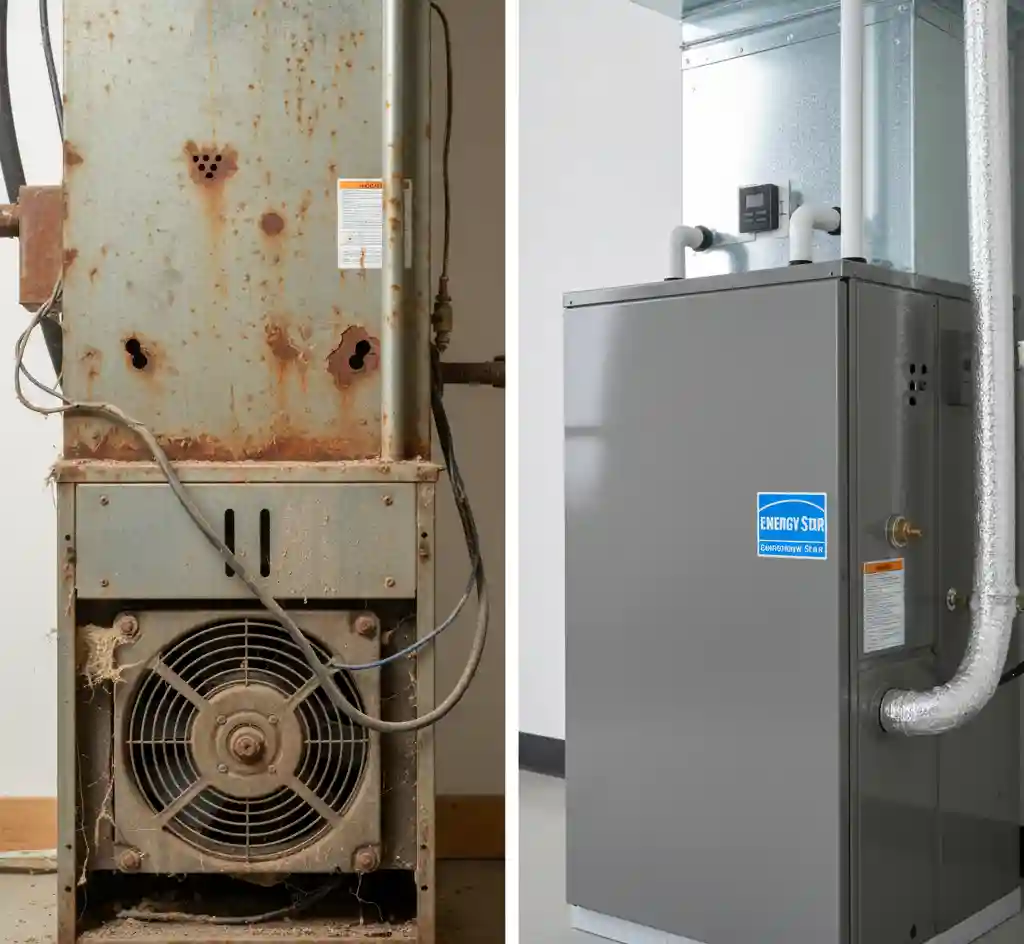

Is your old air conditioner finally kicking the bucket? Or perhaps your furnace is making noises that sound like a freight train?
If you are reading this, you are likely facing a significant investment. Installing a new HVAC system is one of the most expensive home improvement projects, usually costing between $5,000 and $12,000 for a complete system.
However, prices vary wildly depending on your home size, the brand you choose, and where you live.
At LowersHVAC, we believe in transparency. This guide breaks down the real costs of HVAC replacement in 2025, compares top brands, and helps you avoid overpaying.
1. Average Costs by System Type
First, let’s look at the raw numbers. The “HVAC” umbrella covers heating, cooling, and ventilation. Here is what you can expect to pay for each component (including installation labor).
| System Component | Low End Cost | High End Cost | Average Lifespan |
| Central Air Conditioner | $3,800 | $7,900 | 15 – 20 Years |
| Gas Furnace | $2,800 | $6,500 | 15 – 20 Years |
| Electric Heat Pump | $4,200 | $8,500 | 15 Years |
| Ductless Mini-Split (1 Zone) | $2,000 | $4,500 | 20 Years |
| Full System (AC + Furnace) | $7,000 | $14,000 | 20 Years |
Note: These are national averages. Prices in major metro areas (like NY or CA) will be higher.
2. Cost by House Size (Tonnage)
Size matters. In the HVAC world, size is measured in “Tons” (not weight, but cooling capacity).
If you buy a unit that is too small, it will run forever and never cool your house. If it’s too big, it will “short cycle” and wear out quickly.
Here is a general sizing guide based on your home’s square footage:
| Home Size (Sq. Ft.) | Required Tonnage | Estimated Cost (AC Only) |
| 600 – 1,000 | 1.5 Tons | $3,500 – $4,800 |
| 1,000 – 1,500 | 2.0 Tons | $4,000 – $5,500 |
| 1,500 – 2,000 | 2.5 – 3.0 Tons | $4,800 – $6,500 |
| 2,000 – 2,500 | 3.5 – 4.0 Tons | $5,500 – $7,800 |
| 2,500+ | 5.0 Tons | $7,000+ |
3. Brand Comparison: Premium vs. Value
Just like cars, HVAC brands have tiers. You have your “Mercedes” (Premium), your “Toyota” (Mid-Range), and your “Kia” (Budget).
Is the premium brand worth the extra $3,000? Not always. Often, the quality of the installation matters more than the sticker on the box.
| Tier Category | Brands | Price Range | Warranty |
| Premium | Carrier, Trane, Lennox, American Standard |
|
Excellent |
| Mid-Range | Rheem, Ruud, York, Amana |
$ |
Good |
| Budget | Goodman, Bryant, Payne |
|
Average |
Pro Tip: Many “Budget” brands are actually made by the same parent companies as the “Premium” brands, just with fewer fancy features (like noise dampening or smart Wi-Fi).
4. Hidden Factors That Increase Price
The quote you see online might not include the “surprise” costs. Be prepared for these potential add-ons:
-
Ductwork Repair: If your ducts are leaking or crushed, a new AC won’t help. Replacing ducts can add $2,000 – $4,000.
-
SEER2 Efficiency Ratings: The Dept. of Energy introduced new standards in 2023. Higher SEER2 units cost more upfront but save you 20-40% on energy bills.
-
Permits & Inspection: Local city permits usually cost $200 – $500.
-
Asbestos Removal: In very old homes, this can add $1,500+.